The Aesthetics of Simplicity: How Minimalist Spaces Influence Creativity and Clear Thinking
Understanding the Connection Between Minimalism and Creativity
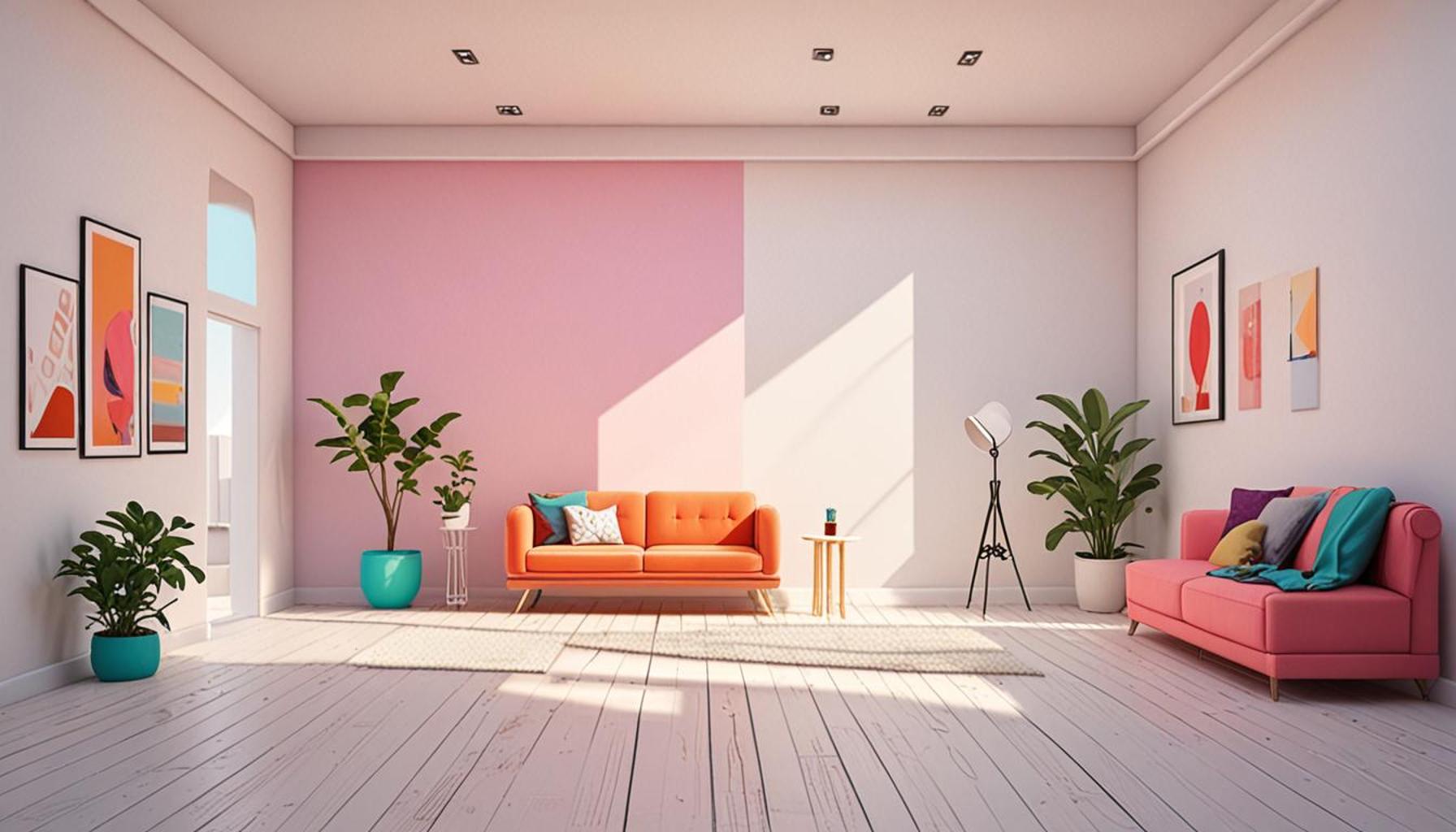
As individuals increasingly seek simplicity in a world dominated by excess, the philosophy of minimalism has emerged as a beacon of clarity. This design ethos not only emphasizes the importance of simplicity and functionality, but also fosters environments that nurture a state of clear thinking. By stripping away the unnecessary and focusing on essential elements, minimalist spaces create a backdrop where creativity can flourish.
The defining characteristics of minimalist spaces can be seen in various design elements:
- Neutral Color Palettes: Color choices play a pivotal role in promoting tranquility. Shades of white, beige, and grey dominate minimalist spaces, providing a soothing atmosphere that encourages focus. For instance, tech giant Apple employs a minimalist aesthetic in its stores, using a palette of whites and light woods to create an inviting and distraction-free shopping experience.
- Intentional Furniture Choices: In a minimalist environment, every piece serves a purpose. Furniture is not just functional but also contributes to the overall aesthetic. Think of a well-designed studio apartment where a sleek, multifunctional sofa can transform from a cozy seating area to a comfortable sleeping space, reflecting both style and utility.
- Open Areas: Uncluttered layouts facilitate easy navigation and cognitive flow. Large, open spaces allow individuals to move freely, which can spark spontaneous ideas and creativity. The office setups of many startups, such as Google and Facebook, incorporate open spaces to promote collaboration and innovative thinking among employees.
Research supports the idea that a minimalist aesthetic can significantly enhance creativity. Studies suggest that environments with less visual clutter can lead to increased focus, allowing individuals to channel their energies into original thinking and problem-solving. This aligns with the notion that creativity thrives when people feel unencumbered by distractions.
Moreover, minimalist environments act as sanctuaries, offering a welcome retreat from the chaos of urban life. As individuals navigate the noise and distractions of the modern world, understanding how minimalist designs can impact our mental state becomes essential for finding balance. Amidst the pressures of daily life, those who embrace minimalism may discover that less really is more—more space for ideas, more clarity for decision-making, and ultimately, more creativity.
Exploring ways to integrate these minimalist principles into everyday life can undoubtedly lead to improvements in productivity and creativity. Whether it’s decluttering a workspace, choosing intentional decor, or creating a calming color scheme in the home, every small step towards minimalism can significantly impact our mental landscape, allowing room for more innovative and creative pursuits.
DISCOVER MORE: Click here for expert tips on organizing small spaces
Design Elements That Foster Clarity and Creativity
To truly appreciate how minimalist spaces can enhance creativity and clarity of thought, it’s important to explore the distinctive design elements that define this aesthetic. These elements are not merely about aesthetic appeals; rather, they serve as the foundation for a conducive environment for innovative thinking. From furniture placement to color schemes, the thoughtful curation of space is paramount in creating a sanctuary for the mind.
- Natural Lighting: One of the hallmarks of minimalist design is the incorporation of natural light. Large windows not only create an illusion of more space but also promote an environment filled with brightness. A study by the Lighting Research Center found that exposure to natural light can enhance mood and productivity, confirming that environments designed with optimal light in mind can significantly influence creative outcomes.
- Minimalist Decor: In minimalist spaces, decor is purpose-driven with an emphasis on meaningful artifacts over visual clutter. This curated approach allows individuals to engage more deeply with the items in their surroundings, thus facilitating a connection that can lead to greater creativity. For example, a single art piece that resonates with an individual can serve as a focal point, inspiring fresh ideas and new perspectives.
- Textural Variety: While minimalism often emphasizes a clean and streamlined aesthetic, the introduction of varied textures—such as wood, metal, or textiles—adds depth to a room without overwhelming it. This careful layering offers sensory stimulation while maintaining simplicity, encouraging minds to explore novel concepts. Consider modern co-working spaces that utilize different materials to create distinct zones for collaboration, all while retaining an overall minimalist ethos.
The psychological impact of these design elements further underlines the link between minimalism and enhanced cognitive function. Research indicates that spaces with a clear and intentional design can lead to improved concentration and reduced stress levels. When individuals are surrounded by simplicity, their minds are less distracted by extraneous details, allowing them to focus on creative problem-solving.
This idea is underscored by the thriving movement of minimalist design in workplaces across America. Companies like Dropbox have adopted open, minimally decorated offices to cultivate an atmosphere where creative collaboration can occur seamlessly. Such environments encourage brainstorming sessions and free-flowing ideas, leading to innovative outcomes and effective teamwork.
As we consider integrating minimalist principles into our daily habitats—from home offices to creative studios—it becomes evident that even minor adjustments can foster an environment ripe for clear thinking and creativity. Implementing elements such as intentional decor, the strategic use of space, and maximizing natural light can lead to a transformative experience in both personal and professional settings.
| Advantage | Description |
|---|---|
| Enhanced Focus | Minimalist spaces reduce distractions, allowing individuals to concentrate better on tasks and foster clear thinking. |
| Increased Creativity | Simplicity in design promotes freedom of thought, encouraging innovative ideas without the clutter that often stifles creativity. |
Exploring the aesthetics of simplicity can yield astonishing results in both personal and professional settings. For example, the use of a minimalist color palette in office spaces not only creates a visually calming environment but also cultivates a culture of productivity. Studies have shown that individuals working in clean, organized environments are more likely to take on complex problem-solving tasks. Moreover, the concept of minimalism extends beyond just physical space; it also applies to workflows and processes. Streamlining tasks can lead to less decision fatigue and can enhance overall efficiency. In creative industries, this simplification can free one from traditional boundaries, allowing for a more fluid exchange of ideas among team members.As we delve deeper into the relationship between minimalism and thought processes, the question arises: how can we integrate these principles into our daily lives to harness their full potential? The pursuit of simplicity in design, both in personal spaces and professional realms, opens doors to clearer pathways for inspiration and innovation.
DISCOVER MORE: Click here to enhance your time management skills
Emotional Resilience and the Power of Space
Beyond the practical design elements that define minimalist aesthetics, the emotional responses elicited by simple environments play a crucial role in unlocking creativity and promoting clear thinking. Minimalist spaces inherently promote a sense of calm and order, positioning them as ideal for fostering emotional resilience in individuals who operate within those environments.
- Decluttering for Clarity: One of the core tenets of minimalism is the act of decluttering. Removing unnecessary items from one’s environment not only leads to a cleaner aesthetic but also helps clear the mental fog often associated with chaos. A study published in the Journal of Environmental Psychology underscores the negative impact of clutter: it can lead to increased feelings of anxiety and fatigue, which are detrimental to creative thinking. By embracing a decluttered approach, individuals are more likely to experience a boost in focus and productivity.
- Personalized Spaces: Minimalism does not equate to a sterile environment; instead, it allows for personalization within simplicity. Artifacts that reflect personal experiences or values can serve as reminders of one’s goals and ambitions. For instance, a designer might choose to incorporate a few cherished items or photographs into an otherwise unadorned office space. Such personalized touches create emotional connections and inspire creativity, as they evoke memories that fuel innovative thought processes.
- Sound Management: In addition to visual elements, sound plays a significant role in the effectiveness of minimalist spaces. Environments that prioritize soundproofing or incorporate elements such as acoustic panels can promote concentration and collaboration. Research indicates that reduced noise levels foster an atmosphere where individuals can exchange ideas fluidly, stimulating creative dialogue. A prime example can be observed in design studios that utilize noise-reducing materials to enhance teamwork without distractions.
Furthermore, the psychological implications of interacting with minimalist spaces can be profound. Environments characterized by simplicity can invoke a sense of tranquility that enhances emotional well-being. This, in turn, cultivates an atmosphere conducive to experimentation and exploration of new ideas. Current trends reflecting this can be seen in wellness-focused developments across major U.S. cities that blend minimalism with natural elements. For instance, businesses are increasingly incorporating biophilic design—integrating natural elements such as plants and water features—into their interiors. A green wall in an office not only beautifies the space but can significantly reduce stress, leading to improved cognitive function and creativity.
Furthermore, companies like Apple have invested heavily in minimalist design, not just for aesthetic appeal but as a strategic approach to drive innovation. Their corporate spaces reflect an ideology that promotes collaboration and creativity through simplicity, drawing employees into an immersive environment where thoughts can flourish without the distractions of excessive decoration or chaos.
As the minimalist movement continues to gain traction in various sectors, it shines a spotlight on the importance of how the spaces we inhabit influence our mental processes. By recognizing the relationship between space, clarity, and creativity, individuals and organizations are empowered to design environments that stimulate fresh ideas and clear thinking. Ultimately, it serves as a reminder that sometimes less truly is more when it comes to inspiring innovation in our daily lives.
DIVE DEEPER: Click here to discover more about minimalism and stress reduction
Conclusion
As we navigate through an increasingly complex world, the appeal of minimalist spaces becomes ever more significant. The aesthetics of simplicity are not merely about creating visually appealing environments; they are deeply intertwined with our ability to think clearly and innovate. Minimalist design fosters clarity by reducing clutter and distractions, creating spaces that not only enhance focus but also support emotional resilience. Research shows that these serene environments can lead to decreased anxiety and increased productivity, ultimately allowing individuals to unlock their creative potential.
Moreover, the personal touch within minimalist frameworks serves as a powerful reminder of our ambitions and values, encouraging innovation. Companies leading the charge in adopting minimalist principles—like Apple—demonstrate that a less cluttered environment can foster collaboration and stimulate ideas. Combining nature with minimalism through biophilic design further enhances these benefits, enriching our surroundings with elements that promote well-being and cognitive function.
As this movement gains momentum across various sectors in the United States and beyond, it underscores a vital message: our surroundings profoundly affect our mental processes. By embracing the aesthetics of simplicity, we can cultivate environments that inspire creativity and clear thinking. In a world often bogged down by excess, the philosophy of “less is more” holds the promise of clarity, innovation, and emotional resilience, inviting us to reconsider how we design the spaces we inhabit in both our personal and professional lives.