Mastering Minimalism How Detaching Reduces Daily Stress

In today’s fast-paced world, the quest for simplicity has become essential. The concept of minimalism offers a compelling antidote to the relentless clutter and chaos of modern life. Embracing minimalism not only enhances your physical space but also transforms your mental landscape, leading to reduced stress and increased clarity.
As we navigate through daily challenges, the art of detaching from excess can significantly improve our well-being. Here are some crucial insights into minimalism’s impact on stress reduction:
- Decluttering physical spaces helps create a serene environment.
- Emotional detachment fosters resilience and liberation from material possessions.
- Focus on meaningful experiences over things encourages a more fulfilling life.
In this article, you will discover the Top 5 Ways Minimalism Can Reduce Daily Stress, offering practical strategies to embrace a lifestyle of simplicity. Prepare to explore how less truly can mean more when it comes to mental and emotional well-being.
Top 5: The Art of Letting Go – How Minimalism Can Reduce Daily Stress
In today’s fast-paced world, where the digital age thrives, and society seems to demand more and more from individuals, stress can feel like an unavoidable reality. The pressures of managing careers, maintaining social circles, and achieving personal goals often lead to an overwhelming sense of chaos. Enter minimalism. While initially perceived as a mere lifestyle choice or an aesthetic, minimalism has emerged as a powerful antidote to the complexities of modern living. Embracing minimalism can transform not only the way we organize our physical spaces but also how we achieve emotional clarity and find peace. This article explores the top five ways that practicing minimalism can help reduce daily stress, allowing for a more balanced and harmonious life.
5. Decluttering Your Space
One of the most direct and tangible benefits of adopting a minimalist approach is the process of decluttering your environment. Studies have shown that a cluttered space can lead to high levels of the stress hormone cortisol. When our living spaces are overloaded with items—clothing we no longer wear, gadgets we don’t use, and decor that no longer brings joy—it can create a feeling of being overwhelmed and contribute to a constant background stress. By removing excess items and choosing to keep only what is essential or brings happiness, we can craft a more soothing atmosphere. This not only enhances focus and productivity but also leads to a clearer mind and a more peaceful living environment.
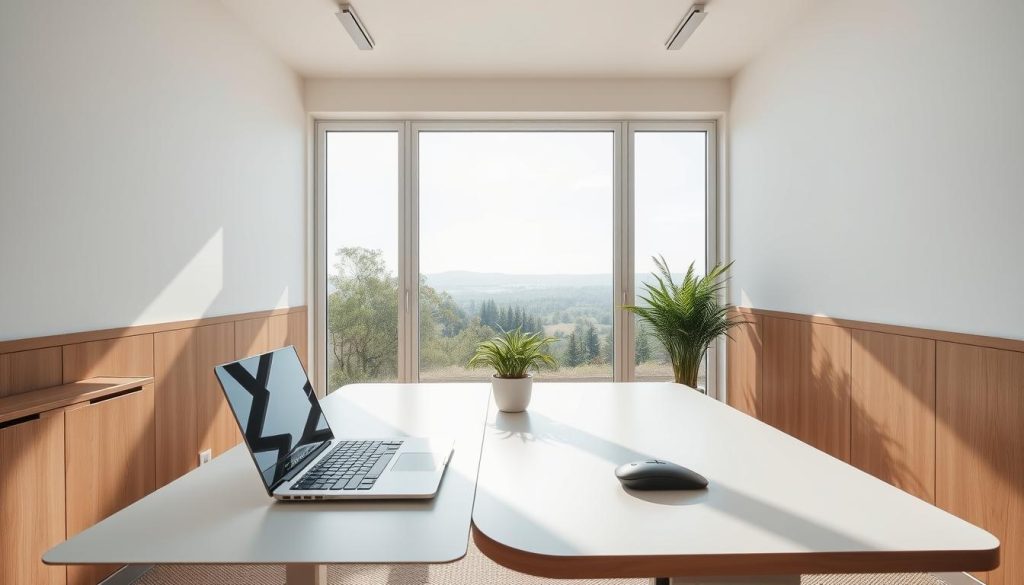
Decluttering can seem quite daunting, especially for those who are deeply attached to their belongings. Here are some strategies to get started:
- Begin with one area at a time: Tackle spaces like a single drawer, a closet, or a desk to prevent becoming overwhelmed.
- Sort items into categories: Use clear categories such as keep, donate, or trash to help decide the fate of each item.
- Implement the “one in, one out” rule: For every new item brought into your space, remove a similar one, maintaining a balanced inventory of your belongings.
While the initial process of decluttering may require time and effort, the long-term benefits of a decluttered space—both in terms of physical space and mental clarity—are undeniably worth the investment.
4. Simplifying Your Schedule
Minimalism extends beyond the physical realm and can function as a guide for managing our time. A cluttered schedule often mirrors a cluttered home. Calendars packed with back-to-back appointments, unnecessary meetings, or activities that don’t align with personal goals can lead to chronic stress and burnout. Simplifying your schedule is about practicing intentionality. By aligning your commitments to your core values, you free up time and mental energy for activities that really matter.
Consider these steps to reclaim and optimize your time:
- Evaluate your commitments: Assess each activity. Determine whether it aligns with your personal values and contributes to your overall well-being.
- Learn to say no: Saying no is a powerful tool for protecting your time and energy from activities or engagements that don’t serve your long-term goals.
- Incorporate downtime: Schedule regular breaks and relaxation periods. Allocate time each day for self-care and unwinding to prevent burnout.
Streamlining your schedule isn’t about doing less; it’s about focusing on what truly adds value to your life. By purposefully curating your calendar, you create space for joy and reduce stress caused by unnecessary obligations.
3. Reducing Digital Clutter
In our digitized age, stress is not only caused by tangible items but also by digital clutter. With the continuous influx of emails, notifications, and digital distractions, the virtual space can significantly contribute to stress levels. Digital minimalism involves simplifying the way you interact with technology and can lead to less anxiety and improved mental clarity.
Here are some actionable tips for achieving digital minimalism:
- Unsubscribe from unnecessary newsletters and promotional emails: Regularly cull your subscriptions to free your inbox from clutter.
- Limit social media usage: Set specific times during the day for checking social platforms to prevent mindless scrolling and the mental fatigue it brings.
- Organize your digital files: Regularly delete or archive files and apps that are no longer needed, creating a streamlined and efficient digital workspace.
By managing your digital environment with intention, you can cultivate a more focused and tranquil mindset, diminishing the stressors that a cluttered digital life can present.
2. Mindfulness and Intentional Living
At its core, minimalism is about intentional living. This philosophy encourages mindfulness—the practice of being present in the moment and focusing on what truly matters. Many people find that by understanding their motivations and desires, they can prioritize actions that align with their goals and reduce stress substantially.
To enhance mindfulness in your daily life, consider:
- Incorporating meditation or journaling: These practices can help deepen self-awareness and provide a space for reflection, aiding in stress reduction.
- Practicing gratitude: Make time every day to reflect on at least three positive aspects of your life, cultivating a sense of fulfillment and reducing stress.
- Setting clear intentions: Start each day with a clear vision of what you wish to accomplish—this builds a sense of purpose and focus.
Mindfulness and intentional living allow for a deeper appreciation of life, transforming potential stressors into manageable, even pleasurable, components of your day.
1. Embracing Freedom through Letting Go
The ultimate essence of minimalism lies in the power of letting go. This concept transcends physical items and extends to emotional burdens. By consciously releasing attachments to things, relationships, or beliefs that no longer serve your wellbeing, you create space for new experiences and personal growth. This minimizes both tangible and emotional clutter, significantly reducing daily stress.
To embrace this liberating freedom, consider the following:
- Reflect on your attachment to possessions: Consider what elevates your life versus what holds you back, fostering a sense of liberation.
- Identify emotional burdens: Acknowledgement of these stressors can empower you to address and release them, fostering emotional clarity and peace.
- Practice acceptance: Recognize the inevitability of change and embrace the uncertainty it brings as an opportunity for growth.
By letting go, you open yourself to new opportunities and experiences, reducing the weight of stress and inviting a sense of peace and freedom into your daily life.
In conclusion, minimalism offers not just a way to manage possessions, but a comprehensive lifestyle shift that can significantly alleviate the stressors of modern living. Whether by simplifying our physical environments, digital spaces, or emotional landscapes, minimalism fosters intentional living, creating a more focused, harmonious, and joy-filled life.
Embracing minimalism is not merely about decluttering physical belongings; it also extends into the mental space we occupy. One of the most profound advantages of adopting a minimalist lifestyle is the clarity of thought it imparts. When your environment is free from excess, your mind becomes less cluttered. This allows for improved focus and productivity, enabling you to channel your energy into tasks and initiatives that genuinely matter. The consequential reduction in mental noise leads to a more serene state, thereby alleviating feelings of anxiety and stress that often accompany a chaotic lifestyle.Moreover, minimalism fosters a deep sense of contentment. It encourages individuals to appreciate the present moment rather than chase after material goods. Studies have shown that experiences, such as traveling or spending quality time with loved ones, tend to foster greater happiness than the act of acquiring tangible items. When you shift your priorities to value experiences over possessions, it cultivates a richer, more fulfilling life, intrinsically linked to well-being and reduced stress levels.Integrating minimalism into your daily routine involves intentional choices. It may manifest in the form of mindful consumption, where every purchase is scrutinized for its relevance and necessity. By adopting this practice, individuals can avoid the overwhelming onslaught of marketing and consumerist pressures, allowing for a lifestyle aligned with personal values. This not only makes financial sense but also significantly diminishes the anxiety that arises from cluttered spaces and feelings of inadequacy tied to material wealth.Additionally, the principles of minimalism can be applied to time management. By prioritizing essential tasks and effectively saying no to non-essential commitments, individuals can reclaim their time, which is one of the most precious resources. This gives rise to a more balanced life, where self-care and personal interests can be integrated seamlessly into the daily agenda, further enhancing emotional stability and satisfaction.Lastly, minimalism opens the door to self-discovery. The process of letting go invites introspection, allowing individuals to assess their true desires and values. This journey of self-awareness is crucial in a world that often pushes conformity and consumerism. By discerning what brings genuine joy and fulfillment, individuals can engage in activities and relationships that resonate with their true selves, ultimately leading to a life characterized by passion and purpose.In summary, the art of desapegar offers an array of benefits that resonate on both a physical and psychological level. It encourages a lifestyle where less truly becomes more—more clarity, more contentment, and ultimately, more peace. Through conscious choices and a commitment to simplicity, individuals can not only reduce their daily stressors but also cultivate a more meaningful existence.
Frequently Asked Questions about Minimalism and Daily Stress Reduction
What is minimalism, and how can it help reduce daily stress?
Minimalism is the practice of focusing on what truly matters by simplifying your life and environment. By eliminating unnecessary possessions and distractions, minimalism can lead to a more organized and peaceful life. A study conducted by the Journal of Environmental Psychology found that cluttered environments can significantly increase stress levels, whereas a minimalist approach can create a sense of calm and clarity.
How do I start incorporating minimalism into my life?
Incorporating minimalism into your life begins with a conscious decision to reduce clutter both physically and mentally. Start small by decluttering one area of your home or setting daily intentions to prioritize tasks. Many people find it helpful to adhere to the “one in, one out” rule, which involves donating or discarding one item for every new item you acquire.
Are there any mental challenges associated with embracing minimalism?
While minimalism can significantly reduce stress, the transition may initially challenge long-standing habits. Some individuals face emotional attachment to items or fear of missing out. However, understanding the underlying benefits of minimalism, such as increased focus and emotional well-being, can help overcome these challenges and create a more relaxed lifestyle.
Is minimalism suitable for everyone, or does personality play a role?
Minimalism can benefit anyone seeking a clearer mindset and less stressful environment, but it’s important to personalize the approach to fit one’s lifestyle. People with different personalities will engage with minimalism differently, and that’s perfectly fine. The key is to define what minimalism means for you and how it can align with your values and goals, fostering an environment of authentic simplicity and contentment.
How does minimalism relate to mental health and well-being?
Minimalism is closely linked to mental health and overall well-being. By reducing distractions and focusing on essential aspects of life, individuals can experience reduced anxiety and improved mental clarity. According to research, adopting minimalist principles can lead to greater life satisfaction and a stronger sense of purpose, which are crucial components of mental health.
Conclusion
Embracing minimalism, often characterized by the art of detachment, offers a powerful antidote to the chaos of daily life. Throughout this journey into the minimalist philosophy, we have uncovered how simplifying our surroundings and lives can result in a profound decrease in stress. By committing to live with only what truly adds value, we create a space not only physically, but also mentally and emotionally, to breathe, focus, and thrive.
Key takeaways emphasize the importance of intentional living. By reducing clutter, we can also reduce the mental noise that often accompanies it. This shift naturally invites more clarity and peace. The documentary evidence and scholarly studies underscore the mental health benefits associated with less consumption and more meaningful engagement with our environment.
Additionally, the process of decluttering teaches valuable lessons in self-discipline, prioritizing what we need over fleeting desires. This restructuring encourages a more strategic approach to daily organization, making life simpler and less stressful. Developing habits of minimalism can forge pathways to improved productivity and efficiency, thus contributing to a more balanced lifestyle.
Adopting a minimalist lifestyle is not just about removing the unnecessary; it’s about savoring the simplicity and freedom that comes from making conscious choices. While the path to minimalism is unique for everyone, its benefits are universally enriching. As we reflect on the potential of minimalism to reduce daily stress, the challenge lies in taking the first step towards change. Perhaps it is time to explore how this ancient philosophy holds modern solutions for a more organized and peaceful life.