Maximize Small Spaces Minimalist Organization Tips for Tiny Apartments
Introduction
As urban living spaces become increasingly compact, the demand for effective organization strategies is more relevant than ever. Embracing a minimalist approach not only helps in maximizing limited space but also promotes a lifestyle of mindfulness and simplicity. By eliminating clutter and prioritizing essential items, individuals can create calm and functional environments.
Understanding how to effectively organize small apartments can lead to significant improvements in daily life. Consider the following benefits:
- Enhanced functionality: A well-organized space increases ease of movement and accessibility.
- Improved mental clarity: Reducing clutter can lead to less stress and greater focus.
- Efficient use of resources: Minimalism encourages thoughtful consumption and thus environmental sustainability.
This article will delve into the Top 5 strategies for minimalist organization tailored specifically for tiny apartments. Prepare to discover practical tips that will help transform your small space into an oasis of order and tranquility.
Maximizing Small Spaces: Minimalist Organization Strategies for Compact Apartments
Amidst the increasingly dense urban landscapes of modern cities, where space often comes at a premium, the challenge of living comfortably in compact apartments is an evolving art. Diminutive living quarters can sometimes feel confining, but they also offer a unique opportunity to embrace the minimalist lifestyle, a choice that not only enhances the aesthetic appeal of a home but also instills a deep sense of tranquility. By strategically implementing certain minimalist organization techniques, one can transform a small apartment into a harmonious living space. Let us explore the top five strategies to maximize small spaces, turning your compact apartment into a more functional and serene environment.
5. Multi-Functional Furniture
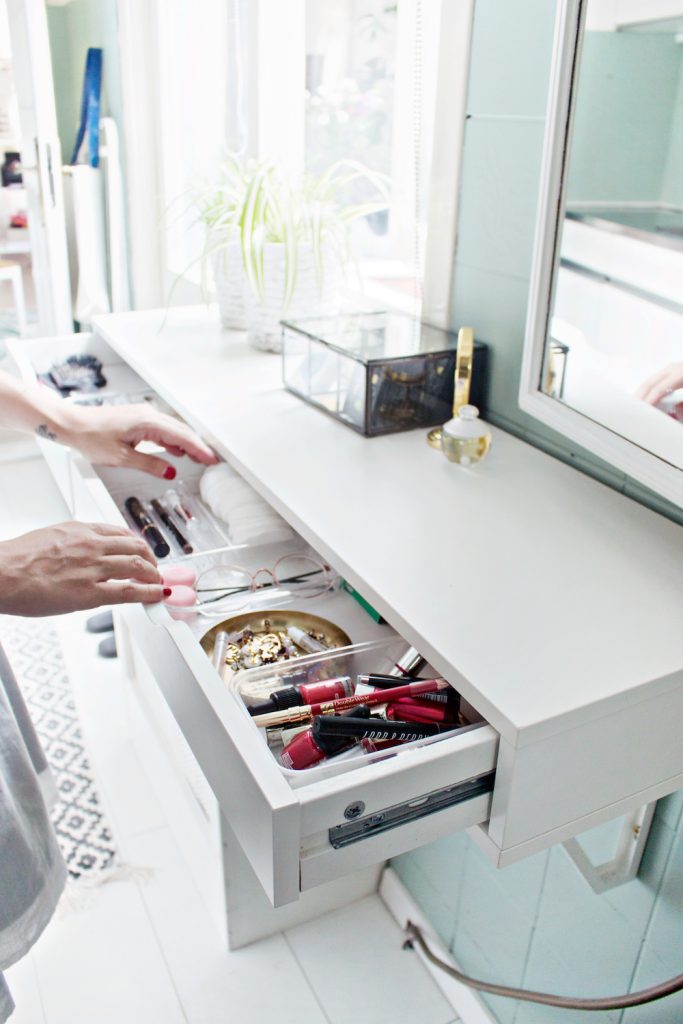
For those dwelling in tight spaces, it is crucial that every piece of furniture is selected with intentionality and purpose. Multi-functional furniture becomes indispensable in such scenarios. Instead of merely filling your apartment with multiple pieces that serve singular functions, look for furniture that can adapt to various needs. Consider investing in a bed with drawers underneath or a coffee table that doubles as a desk for your work-from-home setup. These pieces are designed to optimize space, helping to organize and reduce clutter, while also ensuring your living area remains aesthetically pleasing and inviting.
Among the versatile options available, the murphy bed is a prime example. This type of bed can be effortlessly folded away when not in use, providing you with more floor space during the day. Additionally, the market offers:
- Convertible sofas that effortlessly transform into beds for overnight guests.
- Ottomans that open to reveal ample storage space for blankets, magazines, or toys.
- Wall-mounted fold-down desks that occupy minimal floor space when not in use.
Implementing multi-functional furniture into your compact apartment not only maximizes utility but ensures your home reflects a blend of style and organization.
4. Vertical Storage Solutions
The secret to enhancing space in smaller apartments lies in conquering the third dimension: height. Vertical storage solutions can be the unsung heroes in creating functional, clutter-free homes. Instead of relying solely on standard storage options like bookshelves, explore how wall-mounted shelves, pegboards, and hanging organizers can redefine your space. These solutions not only draw the eye upward, providing the illusion of a larger room, but they also enable efficient utilization of walls that would otherwise remain barren.
Some effective ideas for vertical storage include:
- Over-the-door organizers, perfect for storing shoes, accessories, or pantry items.
- Floating shelves that elegantly display books, decorative objects, or even kitchen spices.
- Hooks or pegboards, excellent for hanging kitchen utensils, tools, or crafting supplies.
Incorporating vertical storage solutions creates an open and airy environment while making strategic use of every inch, keeping your belongings organized and accessible.
3. Declutter Regularly
A cornerstone principle of minimalism is the proactive art of decluttering. Living in a small apartment necessitates regular assessment of what you own and requires letting go of items that no longer serve a purpose. This not only enhances the functionality of your space but ensures your living environment remains serene and unencumbered by excess.
Start small but consistently: designate a day each month to methodically go through each room, critically evaluating what items are truly essential. Consider implementing the one-in, one-out rule; for every new item you introduce into your home, vow to remove one. This practice instills a discipline that aligns with the minimalist ethos, enabling long-term adherence to simplicity and essentialism.
Decluttering does not only redefine physical space; it’s a powerful tool that cultivates a clearer mental state and enhances life quality by allowing your environment to breathe.
2. Smart Zoning Techniques
Creating distinct areas within a compact space can significantly improve both organization and the flow of your apartment. Smart zoning involves the deft division of space into functional areas, such as allocating specific zones for work, relaxation, or dining. Through the use of area rugs, strategic furniture arrangement, and complementary decorative elements, you can define these zones without imposing visual barriers that may make the space feel cramped.
Here are some effective zoning techniques:
- Using rugs to subtly demarcate the living and workspace.
- Arranging furniture in a manner that creates clear pathways and distinct areas.
- Employing screens or curtains to delineate areas without full walls, maintaining privacy while nurturing openness.
Smart zoning allows you to make the most of every corner of your compact space by ensuring that each area serves its intended purpose without encroaching on other zones.
1. Embrace Minimalism
At the heart of maximizing space in any small apartment is the committed embrace of minimalism. This lifestyle choice seeks to prioritize simplicity and essentialism, fostering a serene and clutter-free environment that enhances both productivity and relaxation. To begin this transformative journey, evaluate your possessions with a discerning eye—recognize and retain items that you truly value and use, while courageously releasing the superfluous.
To ensure your space aligns with minimalist principles, consider the following strategies:
- Commit to quality over quantity; invest in durable and timeless furniture and decor.
- Establish a cohesive color palette, enabling decor to complement rather than compete.
- Select a few statement pieces to adorn your space, allowing them to stand out without battling for attention with an abundance of accessories.
Adopting a minimalist lifestyle transcends mere aesthetics; it offers an invitation to peace and mindfulness. By prioritizing what truly matters and letting go of excess, your compact apartment can transform into a sanctuary tailored to your life’s needs.
In conclusion, maximizing small spaces through minimalist organization is not merely about acquiring specific furniture or accessories; it is about reshaping your mindset towards your belongings and your living space. By implementing these carefully chosen strategies, you can breathe new life into your compact apartment, ensuring it becomes a beautifully organized haven rather than a chaotic stressor.
| Category | Advantages |
|---|---|
| Functional Furniture | Innovative furniture designs such as foldable tables and <strong/multi-purpose sofas can save space while enhancing usability in compact living environments. These pieces can transform a room for various functions, from dining to lounging, facilitating a vibrant yet organized atmosphere. |
| Vertical Storage Solutions | Utilizing wall-mounted shelves and high cabinets can maximize floor space while providing ample storage for books, decor, and essentials. This strategy not only reduces clutter but also draws the eye upward, creating an illusion of greater height and openness within the space. |
| Minimalist Decor | Emphasizing simplicity and functionality in decor promotes a serene environment. Choosing neutral color palettes and clean lines can enhance the spacious feel of your apartment, making it more inviting and less overwhelming. |
| Hidden Storage | Incorporating designs that feature hidden compartments or under-bed storage options allows for a streamlined aesthetic. This enables homeowners to effectively conceal belongings while maintaining a tidy and organized living area. |
Frequently Asked Questions on Maximizing Small Spaces in Compact Apartments
What are some effective minimalist strategies for organizing small apartments?
Minimalist strategies focus on simplicity and functionality. A crucial approach is to prioritize multi-functional furniture, such as sofa beds or storage ottomans, which maximize utility in limited space. Emphasizing a decluttering routine is another key principle, ensuring that every item serves a purpose. Additionally, opting for a neutral color palette can create an airy and open feel, making small spaces appear larger than they are.
How can I make a compact apartment look more spacious?
To create the illusion of more space, using mirrors strategically to reflect light and open up the room can be highly effective. It’s also beneficial to consider a vertical storage system that utilizes wall space without cluttering the floor. Keeping window areas clear enhances the influx of natural light, further adding to the spacious effect.
Is it possible to maintain a minimalistic lifestyle in a family setting?
Absolutely. The key is to involve the entire family in the minimalist approach, encouraging everyone to adopt a mindset of simplicity and intentionality. This can include activities like jointly deciding on what items are truly necessary and organizing family possessions in a streamlined manner. It is critical to set clear guidelines about what enters the home to prevent unnecessary clutter.
How do I begin decluttering a very cluttered small space?
Start by tackling one area at a time, which makes the task more manageable and less overwhelming. Employ the “one in, one out” rule to gradually reduce items. It’s also helpful to sort belongings into categories (such as keep, discard, and donate) to quickly identify what is essential. Regularly revisiting and revising these items ensures the space remains decluttered long-term.
Can technology help me organize and maximize small spaces?
Yes, technology can be a great ally in organizing compact living areas. Consider using smart home solutions like automated shelving or furniture that can be retracted when not in use. Digital tools, like organization apps, assist in planning and visualizing the layout of a space to maximize efficiency and aesthetics while maintaining a minimalist approach.
Conclusion
In the fast-paced, ever-evolving urban landscape, finding solace in small, organized living spaces becomes crucial for mental well-being and practical living. Maximizing small spaces using minimalist organizational strategies is not only a pragmatic approach but also a reflection of living consciously and intentionally.
The article discussed five key strategies that illuminate the path to achieving an organized, minimalist lifestyle within compact apartments. Firstly, the emphasis on decluttering plays a foundational role, symbolizing a deeper commitment to simplicity by shedding the unnecessary. This act of decluttering mitigates the chaos and sets the stage for a balanced living environment.
Secondly, the integration of multifunctional furniture is a game-changer in leveraging limited space. These innovative pieces ensure that every item serves multiple purposes, effectively reducing clutter and enhancing the functionality of a home. In addition, vertical storage solutions are heralded for unlocking hidden storage potential, making good use of often-neglected wall spaces.
A remarkable takeaway is the role of minimalism in not just redefining space but also reshaping daily living habits. By focusing on essentials, individuals can navigate their lives more efficiently, which ultimately contributes to a tranquil environment. Furthermore, incorporating natural light is highlighted as a crucial element. It not only magnifies spaces but enhances the overall aesthetic, fostering a comforting and spacious feel.
As the world becomes more crowded, the adeptness to optimize limited living conditions will only grow in significance. Minimalist organization in small apartments is more than a practical necessity; it is the cornerstone of modern living that champions simplicity, order, and mindful existence. As individuals continue to explore these strategies, they will undoubtedly find new ways to transform their living spaces into aesthetic, functional havens that reflect the very essence of minimalism.