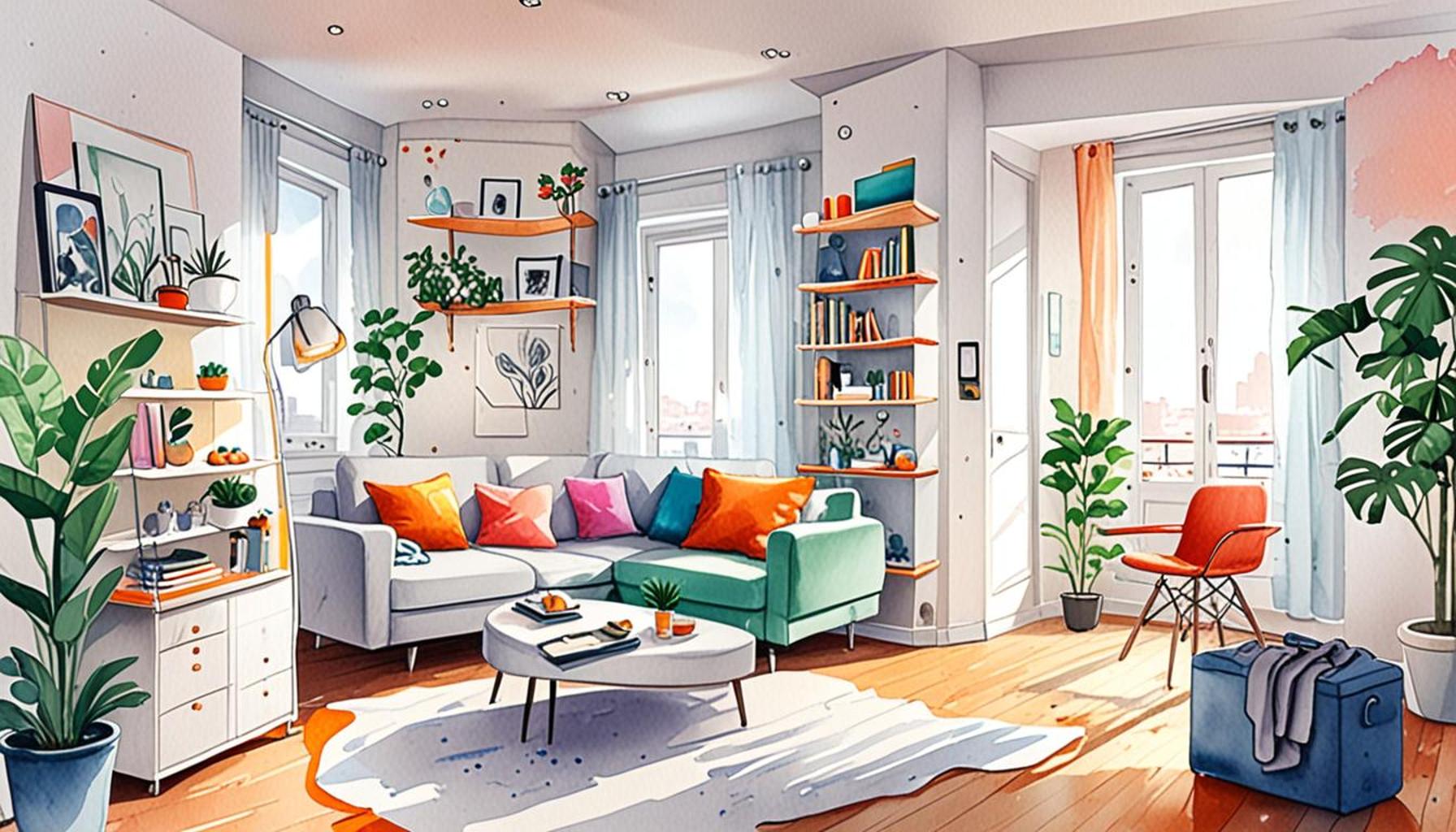
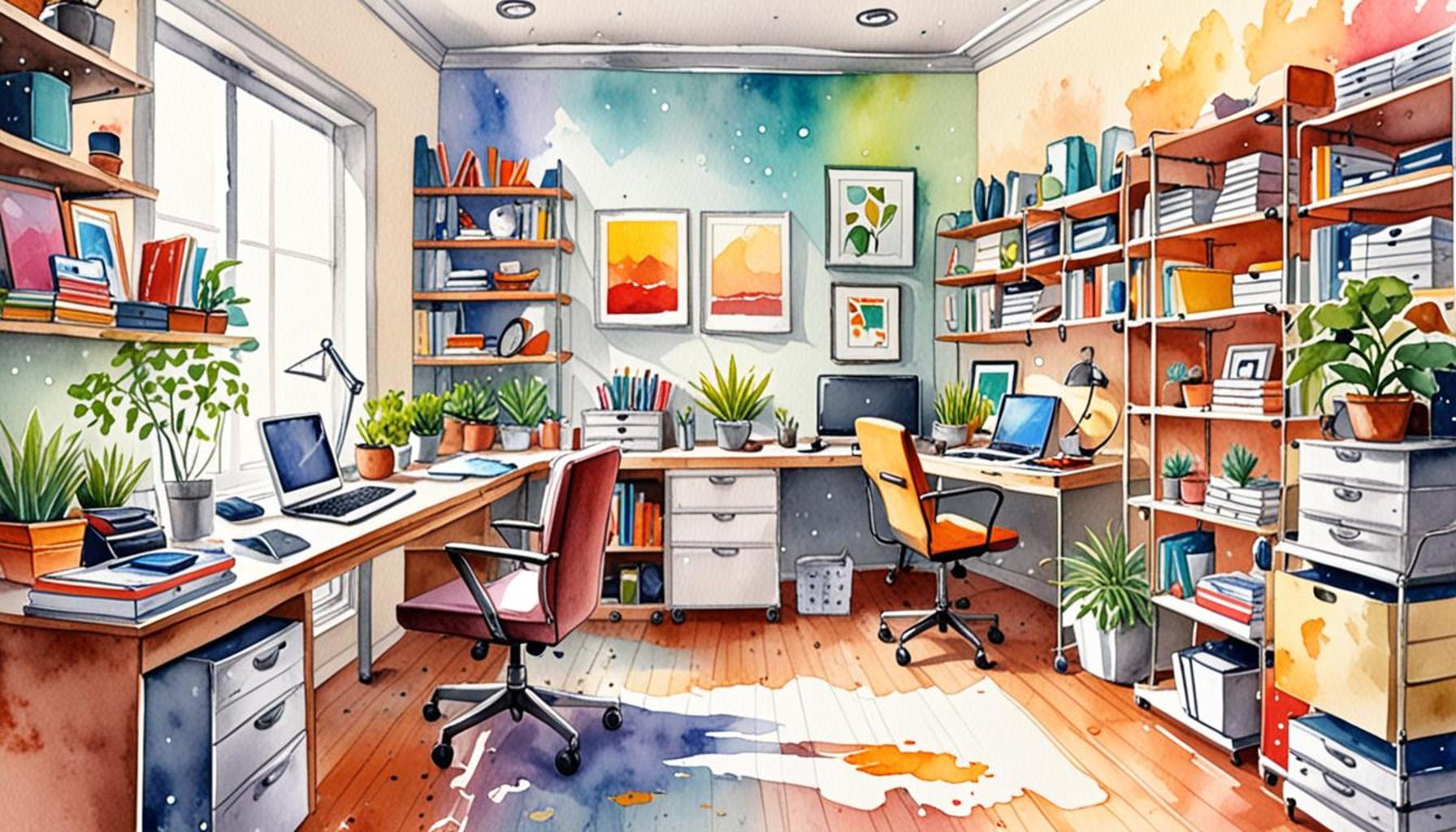
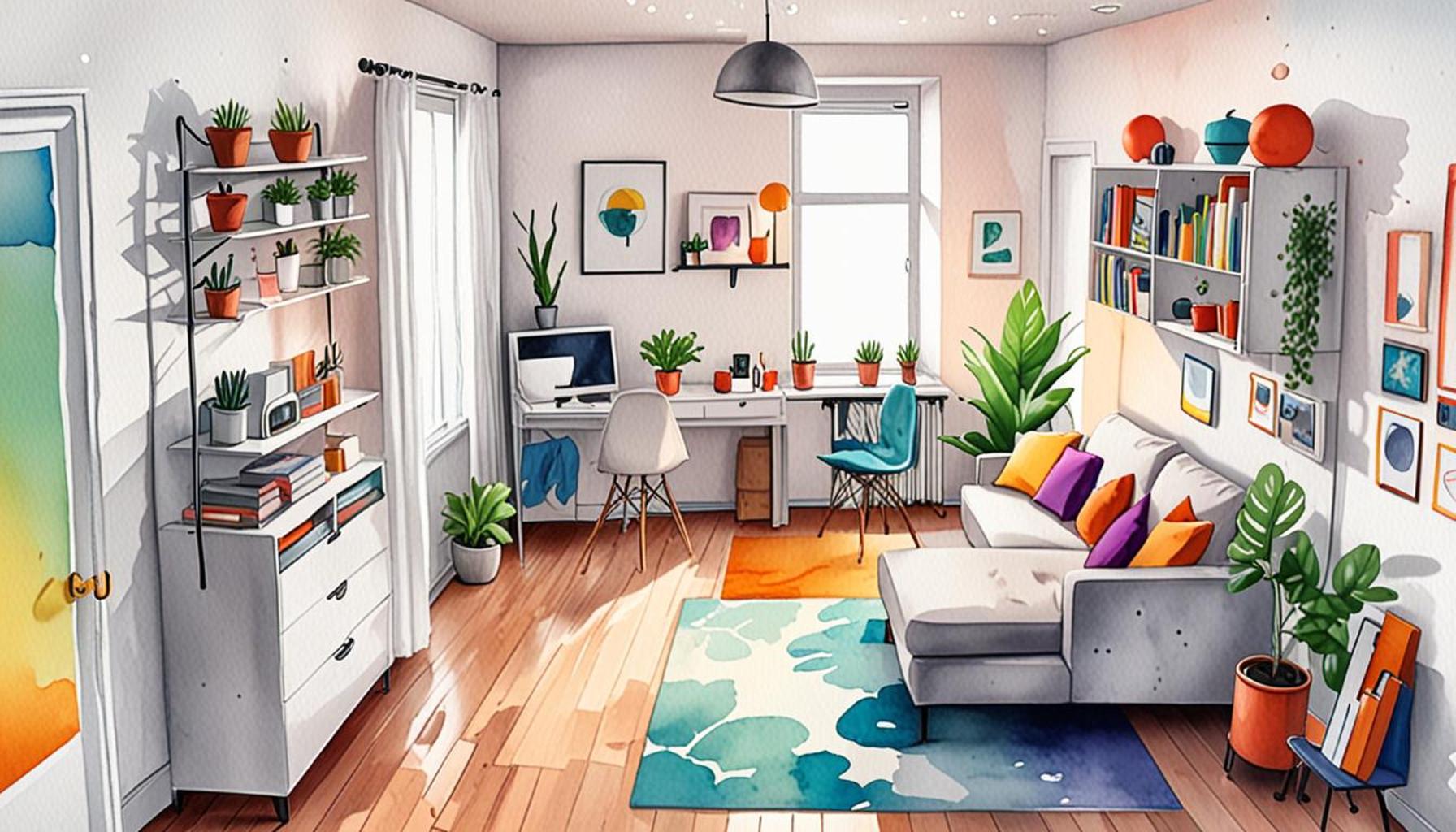
Master Decluttering Spatial Efficiency for a Minimalist Lifestyle
Embracing the Power of Space
The journey toward a minimalist lifestyle often hinges on the concept of decluttering. As individuals seek to simplify their lives, the focus on spatial efficiency becomes increasingly essential. Understanding how to effectively utilize space can lead to profound changes in daily routines, mental clarity, and overall well-being.
Why Decluttering Matters
In a world overflowing with possessions, learning to let go is vital. Decluttering not only creates a visually appealing environment but also fosters:
- Reduced Stress: A clutter-free space can enhance mental tranquility.
- Increased Productivity: Organized spaces promote focus and efficiency.
- Financial Savings: Assessing what you truly need helps minimizes unnecessary spending.
As we delve deeper, this article will explore the top five strategies for mastering decluttering and enhancing spatial efficiency. Prepare to unlock the potential of your living space and embrace a lifestyle that prioritizes clarity and purpose.
The Art of Letting Go: How Spatial Efficiency Can Transform Your Minimalist Lifestyle
In today’s fast-paced world, the concepts of minimalism and spatial efficiency have gained remarkable traction among individuals aspiring to lead a fulfilling life. These approaches are not merely about having fewer possessions; they represent a pathway to mental clarity, peace, and a more purposeful existence. Embracing the transformative power of decluttering, particularly through spatial efficiency, opens doors to an enhanced minimalist lifestyle. As we delve into this subject, we will explore the five pivotal strategies for mastering the art of detachment, which can revamp both your living spaces and, by extension, your life.
5. Create a Functional Space
At the heart of minimalism lies the necessity for each item in your space to serve a purpose. This means eliminating superfluous belongings that occupy space without contributing value to your life. Begin by evaluating your possessions through the lens of their utility. Are they functional? If not, it’s time to release them. A functional space isn’t merely about aesthetic allure; it’s about fostering creativity and productivity by stripping away distractions.
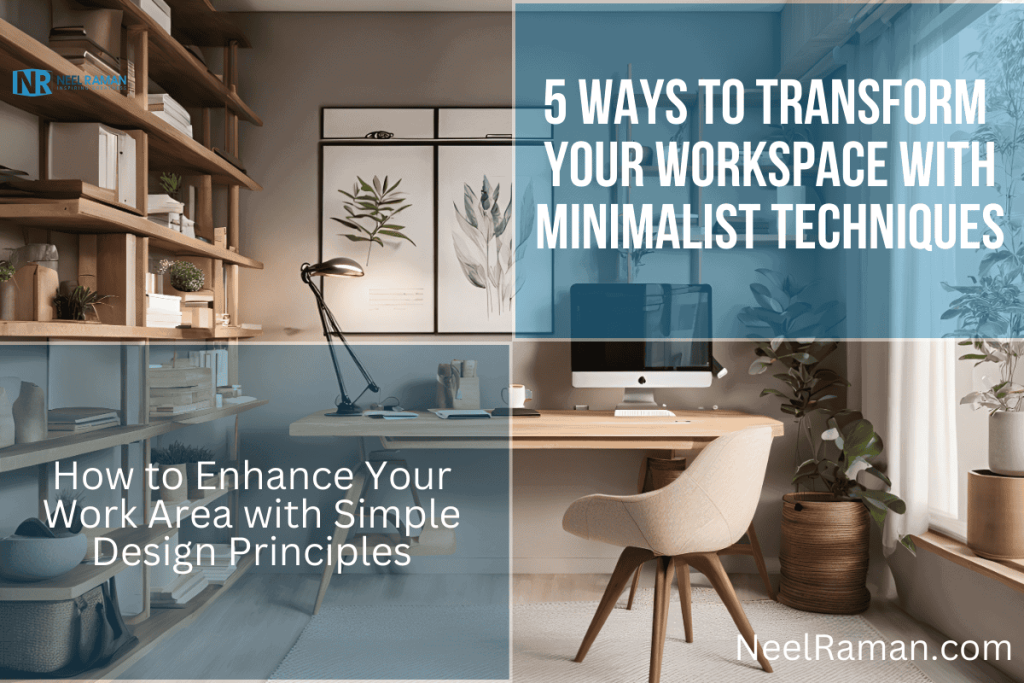
To cultivate a truly functional space, consider these practical approaches:
- Invest in multi-purpose furniture that adapts to various needs, such as a sofa bed or extendable dining tables.
- Implement zoning within your home to designate specific areas for work, relaxation, and leisure, which can optimize both productivity and downtime.
- Ensure that every object has a designated storage space, facilitating effortless organization and tidiness.
This method constructs an environment that supports both aesthetic pleasure and efficiency in daily tasks, ultimately enhancing your quality of life.
4. The Impact of Color and Light
The visual elements of any space significantly influence its ambiance and the emotional response it elicits. Color psychology suggests that hues can shape our mood, while natural light is linked to improved mental health and well-being. By adopting a minimalist approach to color and lighting, you can create a substantial shift in the atmosphere and functionality of your space. Opting for lighter colors and ensuring your spaces are well-lit can amplify the sense of openness, making them appear larger and more welcoming.
Here are some strategies to enhance your space aesthetically:
- Select a neutral palette with a few accent colors that resonate with your personal style, which can promote a sense of calmness and cohesion.
- Maximize natural light by utilizing sheer curtains and strategically positioning mirrors to augment light reflection.
- Replace harsh, artificial lighting with warm-toned bulbs to cultivate a more inviting atmosphere.
A carefully designed environment bolsters calm and productivity, both essential traits within a minimalist lifestyle. This intentional design approach allows you to live in spaces that promote well-being and mental clarity.
3. Adopt a One In, One Out Policy
Embracing minimalism requires the establishment of sustainable habits to maintain an orderly and purposeful space. The “One In, One Out” policy is an ideal strategy for achieving this balance. For each new item acquired, dispose of an existing one. This method not only helps maintain an uncluttered environment but also instills a conscious awareness of your consumption and acquisition habits. By remaining disciplined, you commit to minimalism and prevent future clutter.
Effective means to adopt this policy include:
- Place a donation box near your home’s entrance, offering easy access when decluttering.
- Conduct regular reviews of your belongings to identify items that no longer serve you.
- Engage in a month-long decluttering challenge, aiming to remove one item each day for sustained tidiness.
This approach doesn’t simply support minimalism; it fosters mindful consumption, encouraging you to live deliberately with less but more meaningful possessions.
2. Mindful Materialism: Quality Over Quantity
Minimalism often urges a shift from incessant consumption toward a mentality centered on quality. This transition is critically important for redefining how we interact with possessions. Invest in high-quality, durable items that serve a purpose and align with your values. This dedication to quality over quantity not only minimizes clutter but strengthens your commitment to intentional living.
Here are methods to embrace this mentality:
- Thoroughly research products before purchasing to ensure they meet stringent quality standards.
- Consider second-hand goods for their uniqueness, cost-effectiveness, and minimal environmental impact.
- Prioritize experiences over material possessions, as they tend to yield more enduring satisfaction.
Your living space, adorned with thoughtfully chosen items, will reflect the core of your values and foster a sense of calm and fulfillment.
1. Embrace Emotional Detachment
Emotional attachment to possessions can often be the main barrier to achieving a minimalist lifestyle. It is essential to understand the emotions tied to your belongings and learn to navigate them to create a life that isn’t cluttered by sentimentality. Recognize the difference between items that add value to your life and those that merely serve as emotional anchors. Letting go of items based solely on emotional attachment can be liberating, making room for growth and new experiences.
Here are strategies to practice emotional detachment:
- Identify objects that hold sentimental value but no longer serve a functional purpose. Consider taking photographs of sentimental items before letting them go.
- Reflect on the emotion a particular object evokes: Is it happiness, gratitude, or reluctance to let go due to nostalgia?
- Perform regular detachment exercises, like donating objects that once served a purpose but have outlived their usefulness.
Embracing emotional detachment helps you navigate life lighter, allowing your spaces, surroundings, and mind to take on the transformative energies of minimalism.
In conclusion, practicing spatial efficiency and minimalism is not about living with deprivation; it’s about living with intention. In your quest to lead a minimalist lifestyle, integrating these strategies will not only enhance your physical spaces but also enrich your mental well-being, leading to a more purposeful and gratifying existence.
| Category | Details |
|---|---|
| Space Utilization | Effective use of every square inch instills a sense of freedom from clutter and enhances functionality. |
| Psychological Benefits | Living in a minimalist environment can lead to reduced stress and anxiety, promoting a clearer mental space where creativity can thrive. |
| Financial Savings | Minimalist lifestyles often correlate with more thoughtful spending, reducing unnecessary purchases and maximizing savings. |
| Environmental Impact | Embracing minimalism encourages responsible consumption, which can significantly lower your carbon footprint and promote sustainability. |
The minimalist lifestyle encourages reconsideration of what is truly necessary, fostering a more intentional way of living. This shift allows individuals to focus on experiences rather than material possessions, leading to a more fulfilling life. For example, individuals may find that by creating optimized spaces for relaxation and creativity, they can enhance their well-being and productivity.An essential aspect of this transformation is the practice of evaluating belongings regularly. The act of decluttering not only clears physical space but also represents a commitment to self-awareness. Each item must be justified, which directly challenges consumer habits instilled by society. The mantra of “less is more” encapsulates the essence of this transformative journey.As you explore the relationship between spatial efficiency and a minimalist lifestyle, the discussion broadens to include the sense of community that can emerge from shared values. Neighborhoods that embrace minimalism often foster supportive environments, where sustainable practices and communal resources, such as tool-sharing and community gardens, thrive. This collective spirit can enhance social ties and contribute to personal fulfillment.In a world that increasingly prioritizes excess, the art of desapego presents an alluring alternative. It invites us to reflect not only on our relationships with our possessions but also on our connections with others and the environment. With every conscious choice, we can redefine what it means to lead a meaningful and impactful life.
Frequently Asked Questions: The Art of Decluttering and Spatial Efficiency
What is the primary goal of adopting a minimalist lifestyle?
The central aim of a minimalist lifestyle is to streamline possessions and focus on what truly adds value to your life, permitting enhanced freedom and reduced distractions. By eliminating unnecessary items, you can achieve a clearer mind and a more efficient living space. This lifestyle promotes the idea that less is more, encouraging individuals to seek happiness and satisfaction through experiences and relationships, rather than material accumulation.
How can spatial efficiency improve my daily life?
Spatial efficiency is about optimizing the use of available space, ensuring that each area serves a clear purpose while maximizing functionality. This approach not only conserves physical space but also contributes to a calmer mental state by reducing clutter. A well-organized environment can lead to increased productivity and creative inspiration, as it removes barriers to clear thinking and enables easy access to belongings. By embracing spatial efficiency, you create a harmonious living area that supports your lifestyle goals.
What are some first steps to begin decluttering effectively?
Beginning the journey toward minimalism can feel daunting, but starting small is key. Begin by categorizing your belongings into three groups: keep, donate, and discard. Tackling one room at a time, or even a single drawer, can make the task more manageable. An effective strategy is to ask yourself if each item is truly useful or brings genuine joy. This helps in making conscious decisions about what truly deserves a place in your home. Remember, the goal is to cultivate a space that reflects and supports your personal values and aspirations.
Are there any common challenges faced when transitioning to a minimalist lifestyle?
As with any significant lifestyle change, transitioning to minimalism can present challenges. Emotional attachment to items, societal pressure to own more, and the fear of missing out can all serve as barriers. It’s important to acknowledge these feelings and address them honestly. Consistent motivation and setting clear intentions can help overcome these obstacles. Additionally, seeking inspiration from success stories and connecting with others on a similar journey can provide the encouragement needed to stay committed to a minimalist path.
Conclusion
The art of letting go is not just about reducing clutter; it’s a holistic approach that intertwines with the minimalist lifestyle to enhance personal well-being. Throughout our exploration of “A Arte da Desapego: Como a Eficiência Espacial Pode Transformar Seu Estilo de Vida Minimalista,” several key insights have emerged. The dynamic process of reinventing one’s living space through spatial efficiency promises not just organization, but profound personal transformation.
The first critical takeaway is how decluttering can lead to a more serene and mindful living environment. By freeing ourselves from excess, we create room for the truly meaningful. Additionally, understanding the principles of spatial efficiency not only maximizes space but also enhances mental clarity and focus, as clutter has often been linked to stress.
Incorporating conscious decisions about what we own challenges us to prioritize utility and personal significance, reinforcing the minimalist mantra that less is more. This transition also fosters a sustainable approach to consumption, encouraging individuals to make thoughtful decisions on what to introduce into their lives.
Final Thoughts
Furthermore, the impact of efficiency in minimalist living transcends the physical space. As individuals embrace these principles, they often find themselves with increased time and energy to invest in experiences and relationships, which greatly contribute to overall life satisfaction. The journey of adopting a minimalist lifestyle through strategic spatial organization is both a personal and environmental initiative, promoting a lifestyle that is as rewarding as it is responsible.
In conclusion, embracing minimalism by mastering the art of detachment and leveraging spatial efficiency can transform not only our homes but also our outlook on life. It paves the way for a more intentional and enriched existence, suggesting a powerful paradigm shift that anyone can explore further. Through these practices, minimalism is not just a transient trend but a profound path to a more fulfilled and harmonious lifestyle.